
CB1 Receptors Brain Guide: Why THC Hits So Hard

If you’ve ever wondered why a THC high sometimes seems to sneak up and take over, you’re in the right place. At TooHi, we believe understanding your brain’s CB1 receptors - the unsung heroes behind those powerful, sometimes overwhelming cannabis effects - puts you back in control. This guide will walk you through what’s happening inside your head when THC is involved, how your endocannabinoid system operates, and how TooHi helps anyone looking to find clarity after an intense session.
CB1 Receptors in the Brain: The Gatekeepers of Your High
Let’s kick things off with CB1 receptors. These CB1 receptors in the brain have a real job. They’re like the smart switches sprinkled throughout your central nervous system, helping manage how intense your high feels. Picture them working behind the scenes, deciding which signals shine bright and which get dialed down. The Harvard Health blog has a good introduction if you’re after more detail, but here’s the gist: CB1 receptors show up all over the brain, and their location matters (Learn more on Harvard Health). They govern mood, memory, and how you coordinate your moves. When THC enters the mix, it latches on to these switches, dialing up (or sometimes scrambling) the conversation inside your brain (dive deeper into the science).
If you think of your brain as a house party, CB1 receptors are the ones working the lights - the difference between a chill gathering and sensory overload comes down to how these switches are flipped.
The Brain’s Home Team: How Your Endocannabinoid System Maintains Balance
Before THC ever hits your system, your brain already relies on its own cannabis-like network: the endocannabinoid system (ECS). This setup includes those CB1 receptors, naturally occurring compounds (anandamide and 2-AG), and enzymes. The ECS’s most impressive trick is called retrograde signaling. Normally, this means if neurons start to fire a bit too excitedly, your brain sends out its own calming agents to the CB1 sites, managing everything with surprising finesse. The University of South Carolina has a helpful overview if you want to nerd out on the details.
This built-in network is your brain’s volume control, keeping the session smooth and stopping things from getting out of hand.
How THC Activates CB1 Receptors in the Brain and Levels Up Your High
Here’s where things get interesting. THC manages to mimic your natural endocannabinoids, slotting right into the CB1 receptors in your brain. But unlike your body’s usual chemical messengers, THC sticks around longer and comes on much stronger. That’s what makes the high feel extended - and sometimes overwhelming. The American Journal of Psychiatry recently reviewed how THC overstays its welcome, tying up your CB1 circuits and making it tough for your brain’s feedback system to hit the brakes (read more).
It’s a bit like borrowing someone’s sound system but never lowering the volume, which is why that high keeps rolling in waves long after the edible or hit is gone.
What Happens in Your Brain When THC Flips the CB1 Switch
Science can make this sound complicated, but here’s the real talk: when THC binds to your CB1 receptors, it tweaks brain communication. This fires up different chemical reactions, changing the way messages flow between neurons. You’ll notice the signature effects - memories get fuzzy, time feels different, your coordination might lag, or things just seem funnier than usual. Read about the chemistry for the deeper dive.
Normally, your brain uses endocannabinoids like a volume knob. Add THC, and it’s more like someone cranked it to maximum and left the room. That’s not always a bad thing, but when you start wanting to come back to earth, it pays to know what’s really happening.
Why Some Parts of the Brain Get Hit Harder: CB1 Receptors in Key Zones
CB1 receptors don’t blanket every inch of your brain evenly. The spots most loaded with these switches - your memory center (hippocampus), the decision-maker (prefrontal cortex), and where movement and coordination live (basal ganglia and cerebellum) - are the same places people often feel THC’s strongest effects. If you’ve found yourself glued to the couch or replaying the same story, now you know why. For a visual, check out the research at Frontiers in Cellular Neuroscience.
Some things, like heart rate or basic breathing, aren’t as influenced, which is why a THC high rewires your mind more than your body’s autopilot systems.
Why the Direction Matters: Retrograde Signaling and How THC Throws It Off
Unlike other brain signals, CB1 receptor messaging travels in reverse. Normally, this helps your brain put the brakes on overactive circuits - especially after things start getting a bit wild. When THC takes over, the feedback pathway gets jammed. The “too high” feeling hangs around as THC occupies those CB1 sites for longer than your own natural signals would allow. Sensations get louder, time blurs, and your mind tries to find its footing again.
It’s no wonder so many cannabis users look for a way to hit reset and regain that sense of clarity.
CB1 Receptors Brain Research: What’s New and Why It Matters
Science is always peeling back new layers. Researchers keep finding that CB1 receptors have different roles depending on the type of neuron, and they even influence how we handle stress. The latest from Nature Molecular Psychiatry covers how genetic differences can influence how hard THC lands. The stronger and more creative cannabis products become, the more we all need tools for a smoother, safer session.
That’s really the heart of why we made TooHi Olivetol Supplement. Our cannabis-free, third-party tested formula is a proactive tool you can stash for when that high tries to stick around longer than planned. Built with our patent-pending Quick Focus Blend, the soft gels give you a way to support recovery and clarity - quickly and discreetly - without adding more cannabinoids to your system. Curious about how each ingredient plays a part? Visit our Understanding the Science page.
FAQs: CB1 Receptors, THC Highs, and Finding Relief
-
What do CB1 receptors in the brain actually do?
CB1 receptors regulate communication between brain cells, helping to keep neural circuits balanced. -
Why does THC affect people differently?
Factors like genetics, CB1 receptor density, and past cannabis experience all shape individual reactions to THC. -
How can I reset after hitting CB1 receptors too hard?
Start with basic steps: stay calm, hydrate, and avoid risky activity. For proactive support, TooHi offers cannabis-free, third-party tested soft gels for quicker recovery and clarity. -
Are CB1 receptors only in your brain?
While mostly concentrated in the brain and central nervous system, CB1 receptors are also found in other areas; they play a role in regulating things like appetite. -
Where can I learn more about TooHi?
Explore our science explainer and browse practical answers on our FAQ page.
Wrap-Up: Taking Charge of Your CB1 and THC Experience
Your endocannabinoid system and CB1 receptors shape how cannabis feels - and why a high can sometimes get away from you. By understanding what’s happening inside your brain, you can approach your next session with more confidence. TooHi is here for more than just education; we’re your safety net for every session, with real solutions and real support for anyone who wants a little extra clarity. If you want to be ready for whatever comes your way, check out our homepage or find us in your area with our Store Locator.
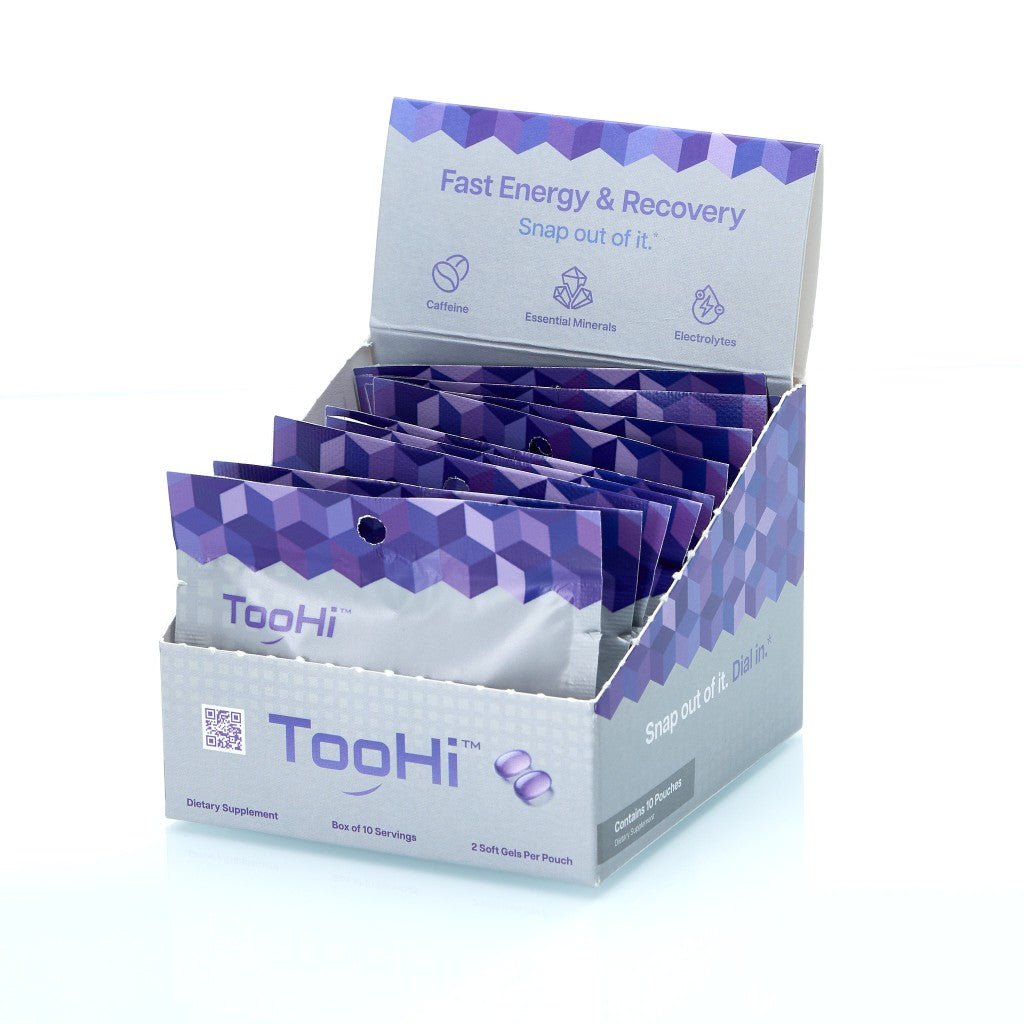
Put olivetol to the test.
TooHi's patent pending formula delivers the exact dose of olivetol, caffeine, L theanine, and electrolytes in two small soft gels. Back to center in about 20 minutes.
You Might Also Like
 Greening Out
Are Concentrates Too Strong? Why You Feel Worn Out
Are concentrates too strong? Learn why dabs can feel harsher than flower, what drives a dab hangover, and how to recover from...
Read More Anxiety
Set Up the Ultimate Cannabis Session Space at Home
Discover how to set up a comfortable cannabis session space at home. Get expert tips on edibles, emergency comfort, and enjoying a...
Read More Endocannabinoid Science
Supplement Facts Breakdown: Inside TooHi THC Reset
Explore TooHi supplement facts and ingredients. Learn how olivetol, caffeine, L-theanine, and electrolytes help you regain clarity fast after THC.
Read More