
Does Cannabis Disrupt REM Sleep? Understanding Next-Day Energy

Does cannabis disrupt REM sleep? If you've ever found yourself waking up groggy after a night of using weed to help you drift off, you’re in the right place - and you’ve landed in the right place. Here at TooHi, we’re all about supporting you through every aspect of the cannabis experience, including the sometimes-murky waters of next-day energy and sleep quality. Let’s break down what’s happening behind the scenes when you use cannabis for sleep, why you might wake up tired after weed, and what you can do to regain clarity in the morning.
How Does Cannabis Actually Affect REM Sleep?
Let’s get straight to it: regular cannabis use, especially with THC-rich strains, can genuinely affect your REM sleep patterns. According to the Sleep Foundation, cannabis can help you fall asleep faster and even stay asleep longer, but often at the cost of REM sleep - the stage where most dreaming and deep brain refresh happen. You’ll get more non-REM deep sleep, but that trade-off comes with its own set of baggage.
If you’re curious about the numbers, studies put out by teams like The Sleep Doctor and insights from Oura Ring highlight a drop in REM cycles for many THC users. There’s also the phenomenon of "REM rebound" - when you stop using cannabis, your body sometimes tries to play catch-up, leading to nights of wild, vivid dreams and interrupted rest.
REM Sleep: Why It Matters More Than You Think
REM sleep isn’t just dreamland - it’s the brain’s maintenance window. During this stage, your mind sorts through memories, reboots your emotional software, and locks in learning from the day. If REM gets the short end, you might notice next-day struggles: fogginess, short attention spans, or a case of the mental Mondays. The team at Calm mentions that regular cannabis use before bed can leave you short on alertness, even if you clock in a full night’s rest. It’s not just about hours logged - quality matters too.
The Real-Life "Wake Up Tired After Weed" Paradox
Cannabis can feel like a cheat code for falling asleep, but when the alarm rings, are you bouncing out of bed? Evidence from sleep studies like this major review on PMC shows heavy or frequent cannabis users reporting both shorter overall sleep time and less morning energy. If you’re doubling up on high-THC strains, Healthline’s cannabis-for-sleeping overview explains that REM dips even lower, so that “groggy after weed” feeling isn’t just your imagination.
So, the next-day energy paradox: cannabis helps you drift off, but you might be trading next-morning clarity for tonight’s easy sleep. If you want restful sleep that actually powers your day, being thoughtful about how and when you use cannabis is key.
The Withdrawal and REM Rebound Effect: What Happens When You Pause
If you’ve taken a break from regular cannabis use, you might have noticed your dreams ramping up. That’s REM rebound at work. According to large-scale studies, up to 73% of people who take a cannabis break notice vivid dreams or restless sleep as REM cycles compensate for lost time. This REM rebound is your brain’s way of catching up on crucial overnight housekeeping.
For anyone who’s felt their dreams come back in full technicolor after abstaining, you’ve already lived out the proof that cannabis and REM sleep are tightly stitched together.
Why Cannabis REM Sleep Effects Aren’t the Same for Everyone
One thing we hear at TooHi all the time: “But my friend sleeps great after weed, and I feel wiped.” You’re not imagining it. According to a 2025 systematic review on ScienceDirect, people respond in wildly different ways. Some find cannabis is a true sleep supercharger; others get stuck in a next-day haze. Your response depends on factors like:
- Type of product (edibles, flower, vape, etc.)
- THC dose and strain profile
- Timing (how close to sleep you use it)
- Your own biology and sleep habits
To get even more granular, edibles hang around longer in your system than smoked flower, leading to more chance of lingering grogginess. If you’ve ever compared the day after an edible session versus smoking, you know there’s a real difference. We explain this in detail in our guide, Edibles vs Smoking: Why the Day-After Feels Different.
Simple Strategies for Better Sleep with Cannabis
- Use cannabis earlier in the evening: Give your brain a better shot at cycling through sufficient REM later at night.
- Choose lower THC doses: Lower doses may be kinder to your REM and your next-day energy.
- Stay hydrated: Drinking water before and after your session can help, not just for general health but also for how you feel the morning after. Check out our guide Hydration and Cannabis: The Connection Nobody Talks About for the full story.
- Try a tolerance break: Even a short stretch can help your natural sleep rhythm find its groove again.
- Pay attention to your method: Smoking usually clears your system faster than edibles, so you might notice a smoother next day when you skip the gummies.
When you’re looking for a safety net after a rough session (edible or otherwise), TooHi's Olivetol Supplement is designed just for this moment. Our cannabis-free, patent-pending Quick Focus Blend supports recovery and clarity in about 20 minutes, helping you navigate out of the haze, no cannabis required.
The TooHi Approach: No Judgment, Just Clarity
We get it - cannabis should be fun, not stressful. At TooHi, we build tools for people who value clarity and control when sessions hit a little too hard. Our product isn’t about shame or quitting, it’s about providing a quick reset so you can get back to feeling like yourself. Portable, third-party tested, built with your lifestyle in mind - that’s the TooHi difference. Learn more about our science-backed approach in Understanding the Science.
FAQs: Cannabis, REM Sleep, and Next-Day Energy
- Does cannabis always cut down REM sleep? Most of the time, THC-heavy products do reduce REM, but not everyone feels it the same. Dose, timing, and your own biology all shape your experience.
- Why am I still tired even after a full night’s sleep when I use weed? You may be missing out on the REM cycles that fuel mental sharpness and mood.
- Are edibles harder on my sleep than smoking? Edibles linger in your system, making sleep disruption and next-morning grogginess more common. For the full scoop, read our Edibles vs Smoking guide.
- How do I shake off a rough night after cannabis? Hydration, getting outdoors, and moving your body all help. Our Fast Recovery Tips guide will walk you through it step by step.
- Can I use TooHi with my other wellness products? Definitely - our formula is cannabis-free and third-party tested. For all the specifics, check out the TooHi FAQ.
Wrapping Up: Cannabis, REM Sleep, and Finding Your Balance
Here’s what it comes down to: cannabis can help you unwind, but using it as a consistent sleep aid can mean less REM and more next-day sluggishness. Instead of crossing your fingers for a clear head, tweak your use, hydrate up, and consider what your body actually needs after a session. And if you find yourself in that lingering haze - or want to help a friend - TooHi is built to be your safety net for every session. Let’s help each other feel our best, night and day.
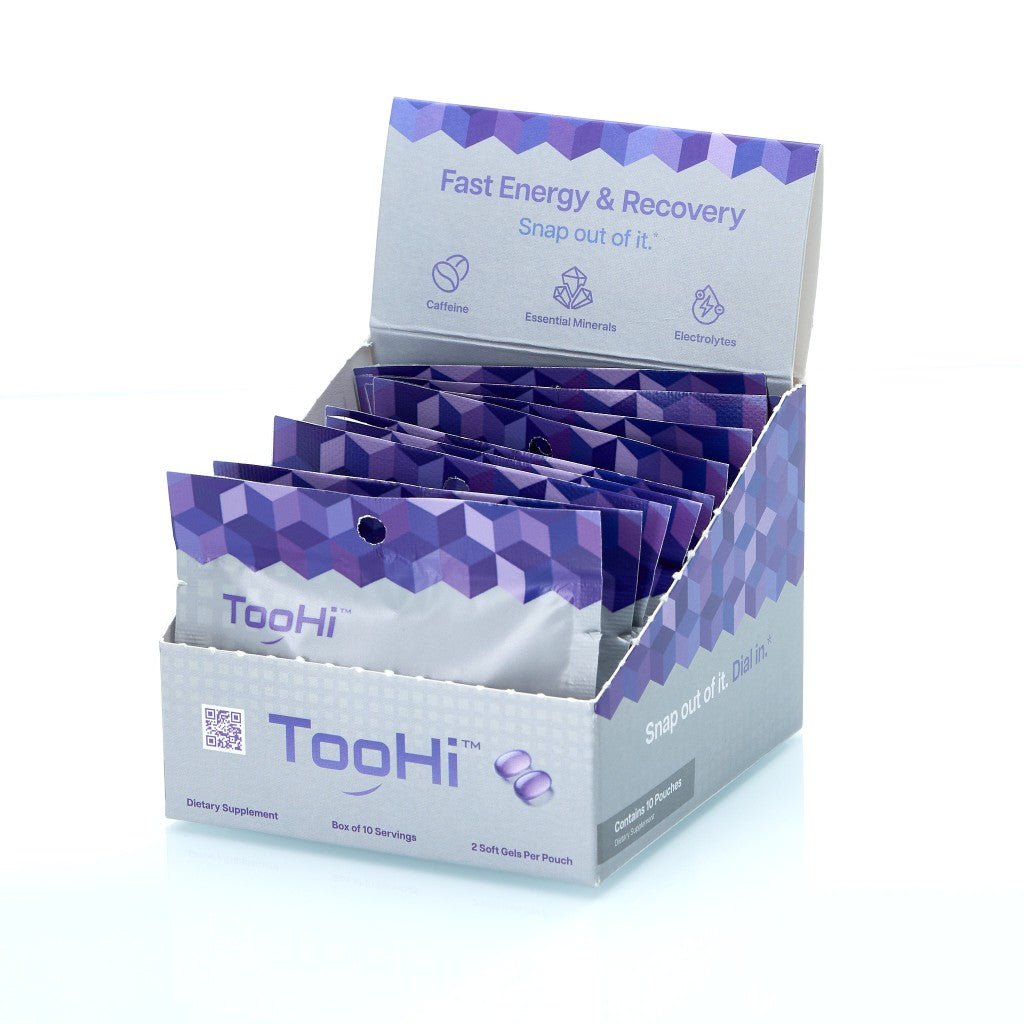
Put olivetol to the test.
TooHi's patent pending formula delivers the exact dose of olivetol, caffeine, L theanine, and electrolytes in two small soft gels. Back to center in about 20 minutes.
You Might Also Like
 Greening Out
Are Concentrates Too Strong? Why You Feel Worn Out
Are concentrates too strong? Learn why dabs can feel harsher than flower, what drives a dab hangover, and how to recover from...
Read More Anxiety
Set Up the Ultimate Cannabis Session Space at Home
Discover how to set up a comfortable cannabis session space at home. Get expert tips on edibles, emergency comfort, and enjoying a...
Read More Endocannabinoid Science
Supplement Facts Breakdown: Inside TooHi THC Reset
Explore TooHi supplement facts and ingredients. Learn how olivetol, caffeine, L-theanine, and electrolytes help you regain clarity fast after THC.
Read More